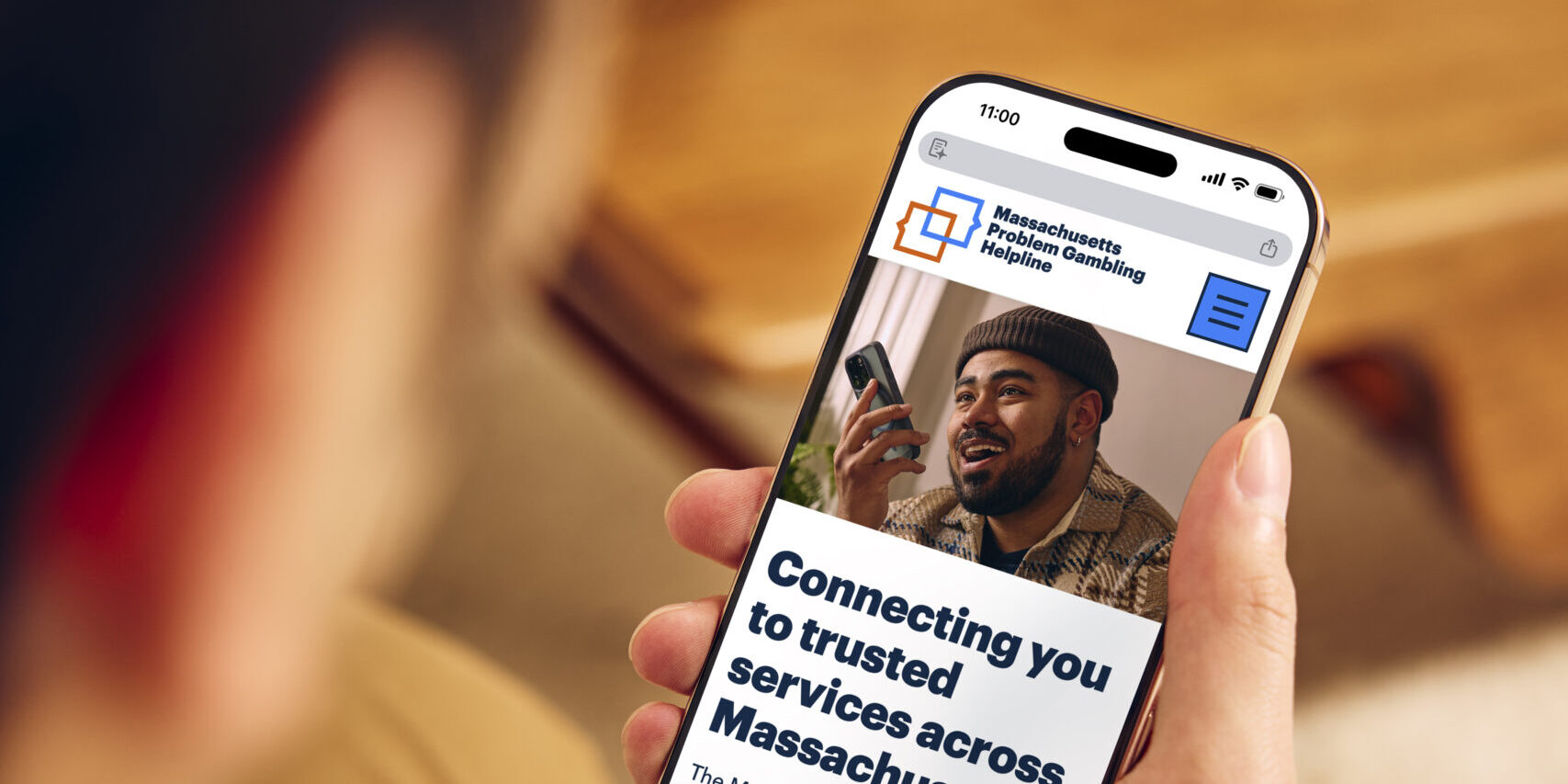
Understanding problem gambling
Gambling can take many forms, and most people don’t realize they’re gambling. What seems like a harmless pastime for some can cause serious problems for others.
What is gambling?
When you think of gambling, you might picture a night out at a casino with slot machines or card games, or maybe buying scratch tickets. But many other activities are considered gambling, too. Gambling means you risk something valuable – usually money – on something involving chance, like the outcome of a game. People hope to get something valuable in return, like more money – but often, they lose. Here are some gambling activities:
- Casino games, like slot machines, table, or card games
- Lottery or scratch tickets
- Sports betting, including online fantasy sports betting
- Online and mobile games
- Bingo
- Horse or dog race betting
- Raffles
When is gambling a problem?
A lot of people can gamble casually from time to time without having any problems. But some people who gamble may experience harm. This is called problem gambling and is a mental health condition that deserves support and treatment. It can be hard to know when gambling has become a problem, but there are signs that can help you understand what it looks like.
- Getting defensive when asked about gambling
- Gambling every day
- Gambling with higher amounts of money to keep the same excitement
- Feeling annoyed when attempting to cut down to stop gambling
- Trying and failing many times to cut back or stop gambling
- Spending a lot of time thinking about gambling
- Gambling when feeling stressed, anxious, or depressed
- Gambling to try to win back money previously lost by gambling
- Lying to hide how much or often they gamble
- Losing an important relationship, job, or opportunity because of gambling
- Needing to borrow money as a result of gambling losses
Some people might experience just a few of these signs. And how serious these signs might be is different for everyone
If you recognize some of these signs or want to think more about your own gambling habits, take the confidential problem gambling screener.
If you care about someone who might have some of these signs, learn how you can support them and yourself.
Impact of problem gambling
People typically think of money problems when they think of problem gambling, but it can affect all aspects of life. Someone struggling with problem gambling may find themselves short on cash, taking money from savings, falling behind on bills, or needing to borrow money from friends or family.
A person experiencing problem gambling might also feel ashamed and try to hide their gambling and related problems from loved ones, or miss work or school to gamble, putting strain on personal and work relationships.
Who is at risk?
Anyone can experience problem gambling, but some might have a higher risk than others.
A serious risk factor for problem gambling is having a substance use disorder. If you are worried that you or a loved one has a problem with alcohol or drugs, talk to a trained Helpline Specialist on the phone by calling the Massachusetts Substance Use Helpline at 800-327-5050 or by chatting with them online.
Besides substance use disorders, there are other risk factors for problem gambling:
- Other mental health disorders: People with disorders are more likely to experience problem gambling
- Gender: Men are more likely to experience problem gambling
- Family history: People who have family members who experience problem gambling are more at risk of experiencing it themselves
- Cultural influence: People who come from cultures where gambling is common are more likely to experience problem gambling
49%
of adults in Massachusetts reported participating in any form of gambling (BRFSS, 2022).
Find help
There is no “right way” for a person to recover from problem gambling. You might find that someone else’s path to treatment and recovery looks different than the path that works for you or a loved one.
Search for problem gambling services – there are a variety of support services available.