
Find help for someone else
If your loved one struggles with problem gambling, it might also have an impact on you – causing problems in your relationship or worries about money. If you want to be supportive of your loved one, be sure to take care of yourself, too.
Know the signs
It can be hard to know when gambling has become a problem, but there are signs that can help you understand what it looks like.
Some people might experience just a few of these signs. And how serious these signs might be is different for everyone.
- Getting defensive when asked about gambling
- Gambling every day
- Gambling with higher amounts of money to keep the same excitement
- Feeling annoyed when attempting to cut down to stop gambling
- Trying and failing many times to cut back or stop gambling
- Spending a lot of time thinking about gambling
- Gambling when feeling stressed, anxious, or depressed
- Gambling to try to win back money previously lost by gambling
- Lying to hide how much or often they gamble
- Losing an important relationship, job, or opportunity because of gambling
- Needing to borrow money as a result of gambling losses
Take care of yourself
Problem gambling often takes a toll on family members and friends. Here are some ways you can take care of yourself while you support your loved one.
Connect with people who understand
You are not alone. Connecting with people who have similar experiences can help you feel heard and understood. Gam-Anon and Gamblers, Family, and Friends in Recovery are two different support groups that may help individuals and families affected by someone’s gambling.

Check your finances
Severe problem gambling can lead to financial challenges that impact individuals and families. People may have difficulty paying bills, max out credit cards, take out loans or cash advances, and even risk losing their home. Personal Financial Wellness Resources on mass.gov can help people learn about managing credit and debt, how to budget and save, and more.
Support your loved one
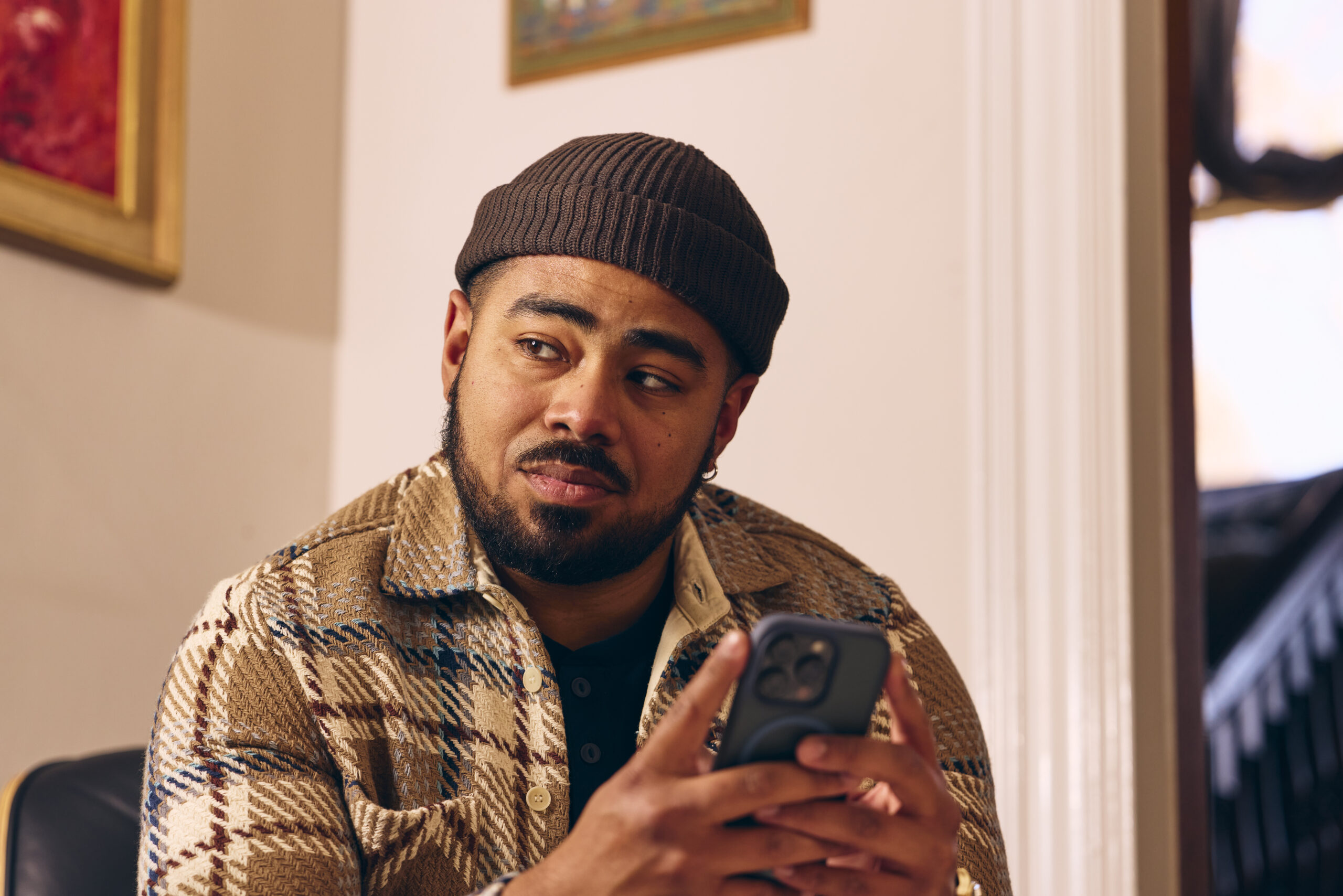
Like other addictions, gambling is a chronic condition that takes time and work to manage. You can be there for your loved one as they take steps toward recovery. Here are some steps you can take to support someone experiencing problem gambling.
Talk to them about your concerns.
When you approach them, make sure you do so with compassion and understanding. They may be angry or deny they have a gambling problem. Be ready to share specific examples of behavior that worries you and why.
Offer your support.
You can be there to listen if they want to share, and to support them as they look for help.
Know that recovery is an ongoing process.
Recovery doesn’t have an end date and it doesn’t look the same for everyone. Encourage your loved one to explore what works for them, and continue to offer your support.
Find help
There are a variety of support services available – you can be there for your loved one as they take steps toward treatment and recovery.
Training and resources for professionals
Are you a professional looking to support your clients?
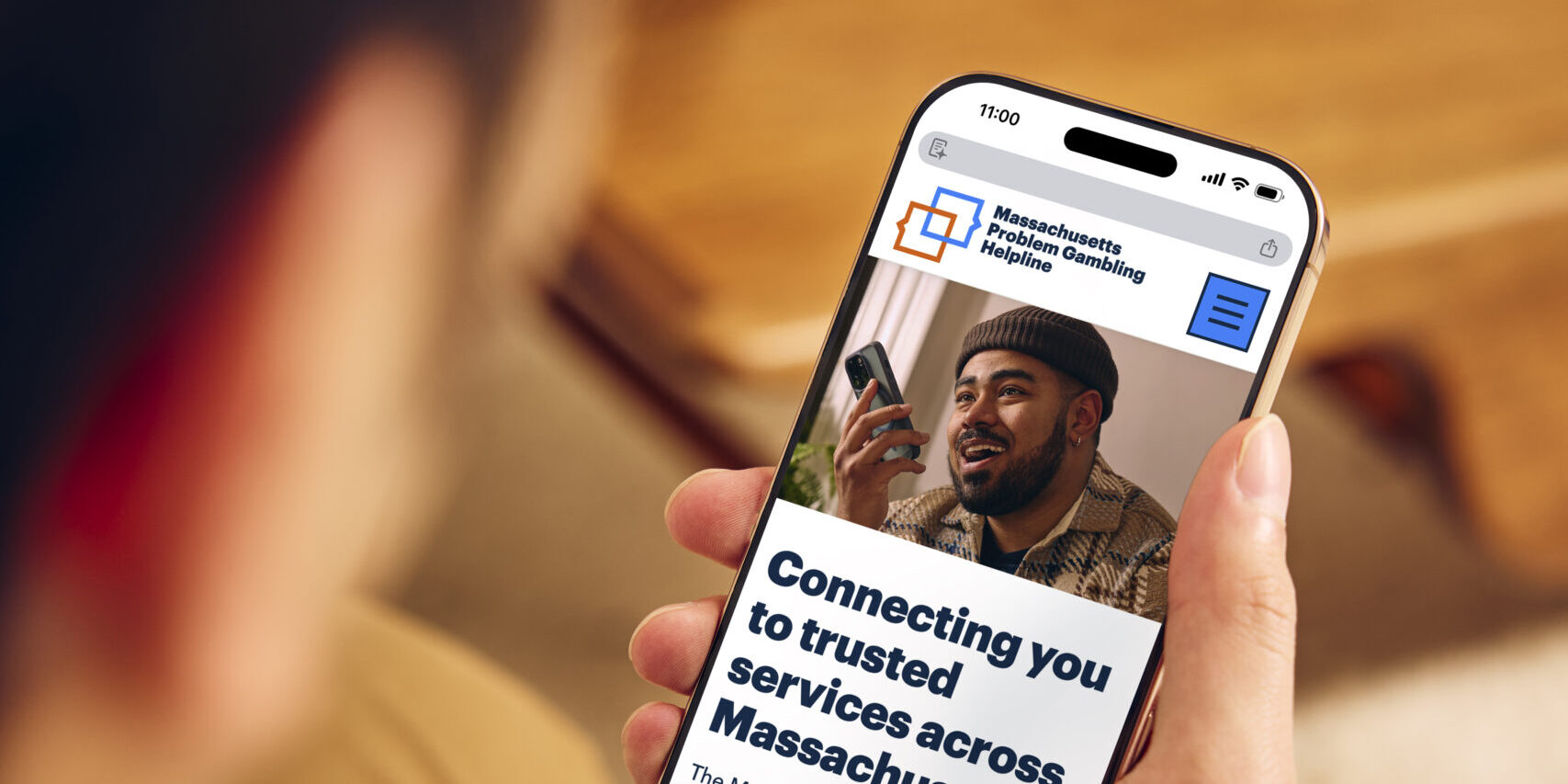
The Helpline can connect you and/or your client with problem gambling resources and referrals.

In addition, the Massachusetts Technical Assistance Center for Problem Gambling Treatment (M-TAC) provides free trainings, capacity building, and technical assistance to professionals and organizations interested in gambling treatment.